


 Esperanto
 Shqiptare
 Euskara
 Zulu
Zulu
 Latinus
 Cymraeg
 தமிழ்
தமிழ்
 Slovak
 Slovak
 Afrikaans

NEWS
China High-Quality Fastener Manufacturer
The Essential Guide to Choosing Countersunk Head Chipboard Screws in china
Release Time:
Dec 02,2024
The Essential Guide to Choosing Countersunk Head Chipboard Screws When it comes to woodworking and assembly projects, selecting the right screws is crucial for achieving a durable and visually appealing finish. Among the various types of screws available, **countersunk head chipboard screws** are particularly favored for their ability to sit flush with the material's surface. In this comprehensive

The Essential Guide to Choosing Countersunk Head Chipboard Screws
When it comes to woodworking and assembly projects, selecting the right screws is crucial for achieving a durable and visually appealing finish. Among the various types of screws available, **countersunk head chipboard screws** are particularly favored for their ability to sit flush with the material's surface. In this comprehensive guide, we will delve into the important factors to consider when choosing these screws, their benefits, and best practices for installation.
Table of Contents
- Understanding Countersunk Head Chipboard Screws
- Benefits of Countersunk Head Screws
- Material Options for Chipboard Screws
- Choosing the Right Size and Length
- Types of Countersunk Heads
- Installation Tips for Chipboard Screws
- Common Mistakes to Avoid
- Frequently Asked Questions
Understanding Countersunk Head Chipboard Screws
Countersunk head chipboard screws are specifically designed for use with chipboard and other composite materials. The unique design of the countersunk head allows the screw to be driven below the surface, creating a smooth finish that is ideal for applications where aesthetics matter. Typically, these screws feature a sharp point and a coarse thread, which helps them grip the material securely.
What Makes Them Unique?
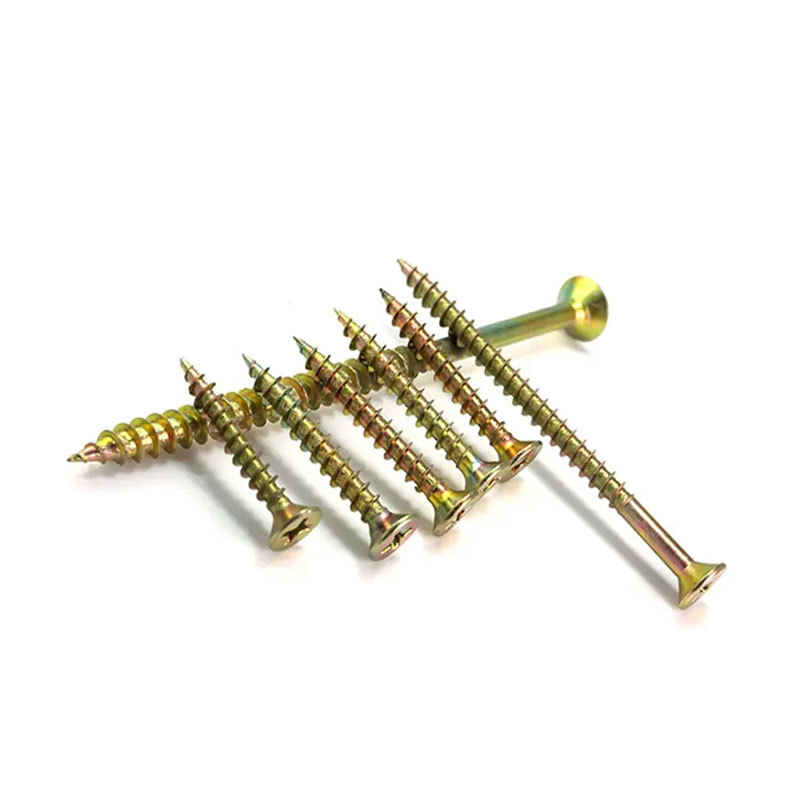
The **countersunk head** design distinguishes these screws from others. This head shape is essential in ensuring that the screw sits flush with the workpiece, preventing any protrusions that could interfere with surfaces and finishes. The flush finish not only enhances appearance but also reduces the risk of snagging or damage to surrounding materials.
Benefits of Countersunk Head Screws
Choosing countersunk head chipboard screws comes with several advantages:
- Enhanced Aesthetic Appeal: The flush finish allows for a clean and professional appearance in woodworking projects.
- Reduced Risk of Damage: With no protruding screw heads, there is less likelihood of snagging or damaging other materials or finishes.
- Improved Grip: The coarse threading ensures a firm hold in chipboard and composite materials.
- Versatility: Suitable for various applications beyond chipboard, including plywood and MDF.
Material Options for Chipboard Screws
When selecting chipboard screws, the material from which they are made is vital for longevity and performance. Here are the most common materials:
1. Steel Screws
Steel screws are the most commonly used type for chipboard applications. They offer strength and durability, making them suitable for a wide range of projects. However, they may be prone to rust if not coated or treated.
2. Stainless Steel Screws
For projects exposed to moisture or outdoor use, **stainless steel screws** are recommended. Their corrosion-resistant properties make them an excellent choice for longevity and durability in challenging environments.
3. Coated Screws
Some screws come with special coatings, such as zinc or polymer, to improve resistance to corrosion and enhance their overall durability. These coatings can also provide additional aesthetic appeal.
Choosing the Right Size and Length
The size and length of the screw are crucial for ensuring a secure fit and avoiding material damage. Here are the key factors to consider:
1. Screw Size
Chipboard screws come in various sizes, typically measured by their gauge. The higher the gauge, the smaller the screw diameter. It's essential to choose a size that is appropriate for the thickness of the material you are working with.
2. Screw Length
Length is equally important. The screw should penetrate deep enough into the material to provide a strong hold without protruding through the other side. A general rule of thumb is to choose a screw that is at least twice the thickness of the chipboard being used.
Types of Countersunk Heads
The type of countersunk head also affects performance and appearance. Here are some common types:
1. Flat Head
The most common countersunk head, the flat head, sits flush with the surface and is ideal for most applications.
2. Oval Head
The oval head has a slightly rounded top, which can provide a more decorative finish while still allowing for a flush fit.
3. Round Head
While not strictly countersunk, some projects may benefit from round heads if a slightly raised appearance is acceptable.
Installation Tips for Chipboard Screws
Proper installation techniques can significantly affect the performance and appearance of chipboard screws. Here are essential tips for successful installation:
1. Pre-Drilling
To prevent splitting the chipboard, consider pre-drilling pilot holes slightly smaller than the screw diameter. This step is crucial, especially in denser materials.
2. Use the Right Tools
Using a power drill with the appropriate driver bit can ensure a consistent and secure installation process. A countersinking bit may also be utilized to create a recess for the screw head.
3. Avoid Over-Tightening
Over-tightening can lead to damage or reduced holding strength. Tighten the screw until it is snug but be cautious not to go beyond that point.
Common Mistakes to Avoid
When selecting and installing countersunk head chipboard screws, avoid these common pitfalls:
1. Ignoring Material Compatibility
Ensure that the screw material is suitable for your project, especially if it will be exposed to moisture or other elements.
2. Choosing the Wrong Size
Using screws that are too long or too short can compromise the integrity of the project. Always measure and choose the appropriate size.
3. Lack of Proper Preparation
Skipping pre-drilling or not using the right tools can lead to mistakes that affect both appearance and functionality.
Frequently Asked Questions
1. What is the difference between flat head and countersunk screws?
Flat head screws are designed to sit flush with the surface, while countersunk screws may have a slight angle that allows them to sit below the surface when installed correctly.
2. Can I use chipboard screws in hardwood?
While chipboard screws are primarily designed for composite materials, they may be used in hardwood with proper pre-drilling to prevent splitting.
3. How do I know the correct length for my screws?
The general guideline is to use a screw that is at least twice the thickness of the material being fastened.
4. Are coated screws worth the extra cost?
Coated screws offer enhanced protection against corrosion and may be worth the investment, especially for outdoor projects or humid environments.
5. Can I use chipboard screws for metal applications?
Chipboard screws are not recommended for metal applications as they are not designed to withstand the forces involved in fastening metal components.
Conclusion
Selecting the right **countersunk head chipboard screws** is essential for achieving a strong and aesthetically pleasing finish in your woodworking projects. By understanding the various materials, sizes, and installation techniques, you can make informed decisions that enhance the durability and appearance of your work. Avoid common mistakes and follow best practices to ensure a successful assembly. With this comprehensive guide, you are well-equipped to choose the ideal screws for your next project, contributing to its overall success and longevity.
Key words:
News Hotspot
Our Main Products
Can't find the service you're looking for? Contact us!
To inquire about our products, please leave your email to us and we will contact you within 24 hours.