


 Esperanto
 Shqiptare
 Euskara
 Zulu
Zulu
 Latinus
 Cymraeg
 தமிழ்
தமிழ்
 Slovak
 Slovak
 Afrikaans

NEWS
China High-Quality Fastener Manufacturer
All You Need to Know About DIN 934 Hexagonal Nuts in Industrial Equipment and Components
Release Time:
Sep 17,2023
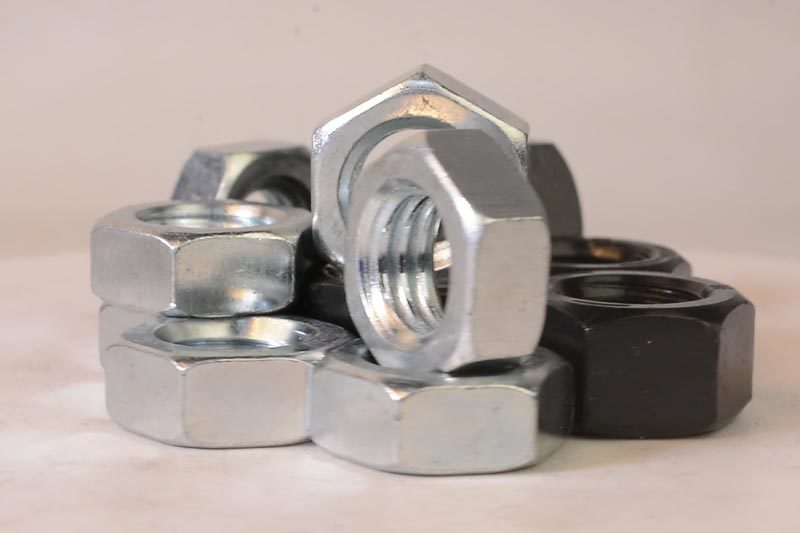
Hexagonal nuts play a crucial role in the assembly and stability of industrial equipment and components. DIN 934 hexagonal nut, also known as the standard hex nut, is a widely used fastener in various industries. Let's delve into the key aspects of DIN 934 hexagonal nuts and their significance in the realm of industrial equipment and components. 1. Definition and Composition: DIN 934 hexagonal nut

1. Definition and Composition:
DIN 934 hexagonal nuts are internally threaded fasteners with six flat sides, designed to mate with a bolt or threaded rod. These nuts are typically made of high-quality materials such as stainless steel, carbon steel, or alloy steel. The composition ensures durability, strength, and resistance to corrosion, making them suitable for diverse applications.
2. Size and Dimensions:
DIN 934 hexagonal nuts are available in various sizes and dimensions, conforming to international standards. The size of a nut is determined by its nominal diameter (thread size) and pitch, which refers to the distance between adjacent threads. It is crucial to select the appropriate size of the nut to ensure proper fit and secure fastening.
3. Function and Benefits:
These nuts serve the fundamental purpose of joining two or more components together by applying torque to the bolt or threaded rod. Some key benefits of using DIN 934 hexagonal nuts include:
- Reliable Fastening: The hexagonal shape allows for easy tightening and loosening using common tools like wrenches or spanners, ensuring a secure and reliable connection.
- Enhanced Load Distribution: The wider surface area of the hexagonal nut distributes the applied load evenly, minimizing the risk of damage or failure due to excessive stress concentration.
- Simplified Maintenance: The standardized design of DIN 934 nuts facilitates easy replacement, reducing downtime during maintenance or repairs.
- Versatile Applications: These nuts find applications in a wide range of industries, including machinery, automotive, construction, and more, due to their universal compatibility with standard bolts and threaded rods.
4. Compliance with Standards:
DIN 934 hexagonal nuts adhere to rigorous quality standards, ensuring their reliability and compatibility with other components. The DIN 934 standard specifies the dimensional requirements, mechanical properties, and testing procedures for these nuts, ensuring consistent performance across different applications.
In conclusion, DIN 934 hexagonal nuts are vital components in the industrial equipment and components sector. Their robust construction, ease of use, and compatibility make them indispensable for secure fastening and connecting various parts. Remember to choose the appropriate size and material for your specific application to ensure optimal performance and longevity.
Key words:
News Hotspot
Our Main Products
Can't find the service you're looking for? Contact us!
To inquire about our products, please leave your email to us and we will contact you within 24 hours.